





Logo
About
Services
Blogs
Events
Problem & Solution

Conveyor Belt Slippage — Causes, Solutions & Best Practices

Conveyor belt slippage occurs when the drive pulley fails to maintain adequate traction with the belt surface, resulting in speed loss, material carry-back, and unplanned shutdowns. Left unchecked, slippage accelerates belt wear, damages pulley lagging, and can reduce throughput by 15–30% in cement and steel plants. UGES engineered pulley and tensioning solutions eliminate slippage at the source, restoring rated conveyor capacity.
hero image 1

Trusted by the largest brands

Logo
Logo
Logo
Logo
Logo
Logo
Logo

Understanding Conveyor Belt Slippage

Belt slippage is one of the most common conveyor failures across bulk material handling operations in cement, steel, and power plants. It manifests as a measurable difference between drive pulley surface speed and actual belt speed, often exceeding 3–5% before operators notice. The downstream effects include reduced material throughput, excessive belt and pulley wear, heat build-up at the drive interface, and in severe cases, belt fires. Industry data suggests that slippage-related failures account for 12–18% of unplanned conveyor downtime, costing Indian cement plants an estimated INR 2–5 lakhs per incident in lost production and emergency maintenance.
icon
Problem Description
Belt slippage is one of the most common conveyor failures across bulk material handling operations in cement, steel, and power plants. It manifests as a measurable difference between drive pulley surface speed and actual belt speed, often exceeding 3–5% before operators notice. The downstream effects include reduced material throughput, excessive belt and pulley wear, heat build-up at the drive interface, and in severe cases, belt fires. Industry data suggests that slippage-related failures account for 12–18% of unplanned conveyor downtime, costing Indian cement plants an estimated INR 2–5 lakhs per incident in lost production and emergency maintenance.
icon
Cost of Inaction
Persistent belt slippage leads to progressive lagging destruction, premature belt replacement cycles reduced from 5 years to under 3 years, and escalating energy consumption as drives compensate for lost traction. Safety risks include heat-induced belt fires and unexpected belt run-back on inclined conveyors, both of which have caused serious incidents in Indian plants.
Product specification image

Root Causes

Root Cause 1

Insufficient Belt Tension

When gravity or screw take-up systems are improperly adjusted or counterweight travel is exhausted, the belt loses the wrap-angle pressure needed for traction on the drive pulley. This is especially prevalent after belt splicing or during seasonal temperature variations that cause belt elongation.
Root Cause 2

Pulley Lagging Wear or Failure

Rubber or ceramic lagging on drive pulleys degrades over time due to abrasive material carry-back, moisture ingress, and mechanical fatigue. Once the lagging surface loses its friction coefficient — typically dropping below 0.35 for rubber lagging — the pulley can no longer grip the belt under full load conditions.
Root Cause 3

Material Build-Up on Pulley Face

Wet or sticky material carry-back accumulates on the pulley surface, creating an uneven interface that reduces effective contact area. In cement plants handling clinker or raw meal with moisture content above 6%, build-up can form within hours, causing intermittent slippage that is difficult to diagnose visually.

Engineering Solutions

UGES Drive Pulleys with Diamond Lagging

Drive Pulleys with Diamond Lagging

UGES drive pulleys feature hot-vulcanised diamond-groove rubber lagging that channels moisture and fine material away from the contact zone, maintaining a friction coefficient above 0.40 even in wet conditions. The diamond pattern provides bi-directional traction, making them suitable for reversible conveyor applications.
UGES Ceramic Pulley Lagging Kits

Ceramic Lagging Systems

For high-tension, high-abrasion applications such as long-distance overland conveyors or steep incline belts, UGES ceramic lagging tiles embedded in a rubber matrix deliver friction coefficients exceeding 0.45 and a service life 3–4x longer than standard rubber lagging. The alumina ceramic tiles resist abrasive wear while the rubber matrix absorbs impact loads.
UGES Gravity Take-Up and Screw Take-Up Assemblies

Automatic Belt Tensioning Solutions

UGES gravity take-up systems and screw take-up assemblies maintain optimal belt tension throughout the conveyor's operating cycle, automatically compensating for belt stretch, splice creep, and thermal expansion. Properly engineered tensioning eliminates the single largest root cause of belt slippage in Indian bulk handling plants.
Client Reviews

Customer Success Stories

cover
icon

We've been sourcing conveyor components from United Global Engineering Solutions for quite some time now. Their conveyor belt accessories, including industrial conveyor rollers and pulleys, have consistently met our quality and performance standards. We highly recommend them for all your conveyor system needs.
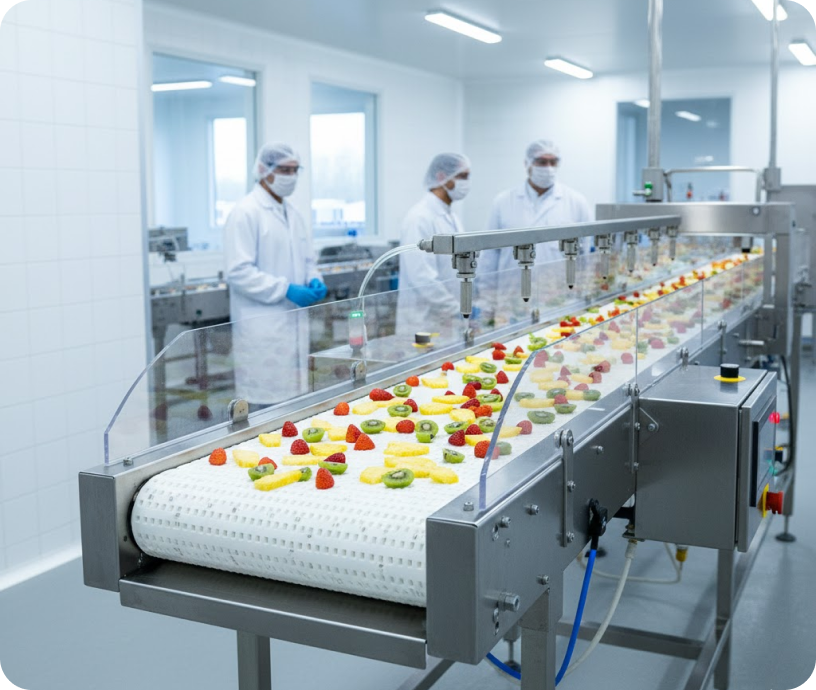
Sean Matthews

The Repeat Client

cover
icon

We worked with United Global Engineering Solutions for our conveyor needs, and the experience was excellent from start to finish. Their team understood our requirements quickly, recommended the right conveyor solution for our operations, and delivered quality industrial conveyor belts that made a real difference. Since the installation, our workflow has improved and day-to-day operations feel much more efficient. We’re grateful for their support and would gladly recommend them.
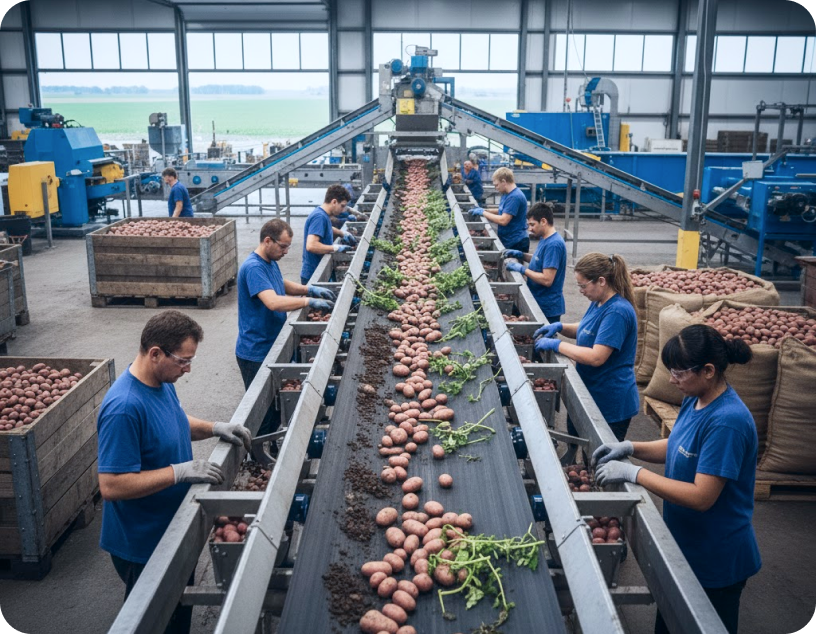
Travis Bennett

The Satisfied Customer

cover
icon

We’ve worked with United Global on multiple projects, and their conveyor belts for food processing have made a real difference. What stands out most is their ability to customize solutions to our needs and deliver quality products on time. Their prompt service and cost-effective approach have made them a partner we can count on.
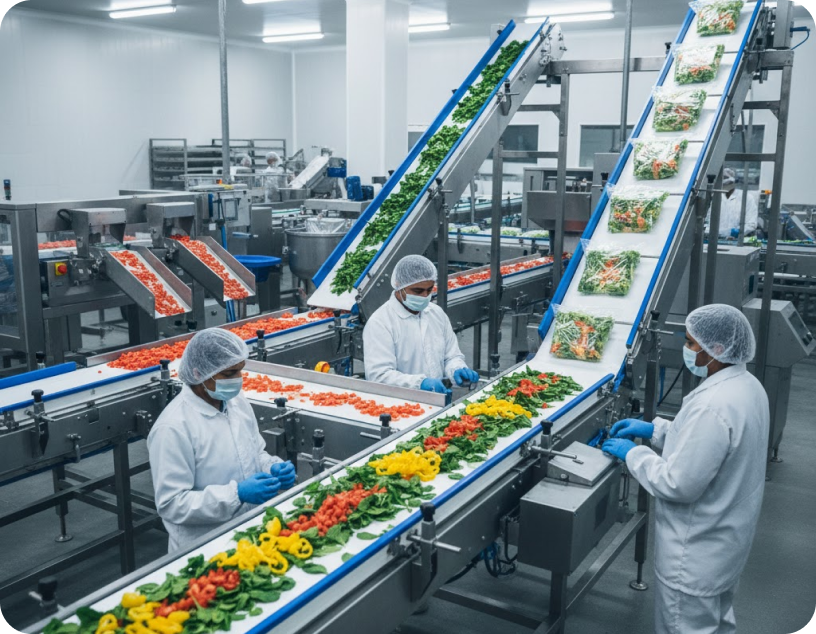
Gary Stevens

The Valued Partner

cover
icon

We’ve worked with United Global Engineering Solutions on multiple projects, and they’ve consistently delivered. Their conveyor belts for food processing have made a real difference for us, and we’ve appreciated how they tailor solutions to our specific needs. The team is responsive, the service is prompt, and the solutions are cost-effective without sacrificing quality.

Brandon Hayes

The Satisfied Manufacturer

15+

Industries Served

10+

Years of Experience

500+

Systems Installed

600+

Happy Clients

Solve Conveyor Belt Slippage with UGES

Our experts visit your site, understand your workflow, and recommend the exact configuration your system needs.

footer-logo

Delivering advanced conveyor solutions from Houston across the U.S.


iconiconicon

Helpful Resources

About Us

Products

Services

Industries

Our Product Line

Conveyor Idlers

Conveyor Pulleys

Rotary Air Lock Valves

Screw Conveyors

Diverter Valve

Slide Gate

Transfer Chutes

Belt Conveyor System

Air Slide Assembly

Rotary Shut Off Gate

Flow Control Gate

Butterfly & Knife Gate

Dampers

Dip Tubes

Write us at:

icon

 info@ugesl.com

Copyright ©2026 United Global Engineering Solutions Pvt.Ltd. All Rights Reserved

Conveyor Belt Manufacturing Website by The Internet Folks