
Problem & Solution
Rotary Airlock Valve Air Leakage - Root Causes & Engineered Solutions
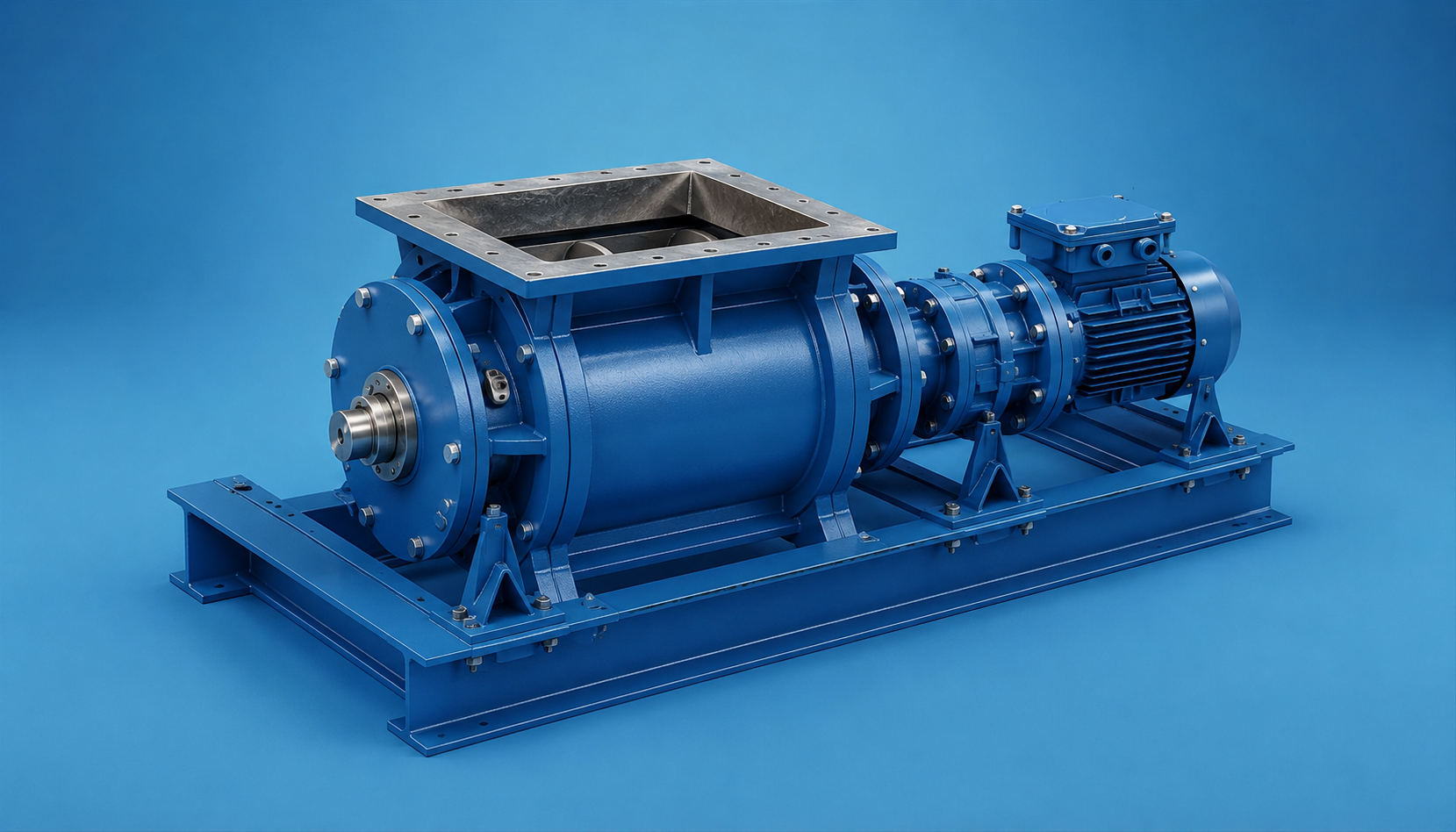
Rotary airlock valve air leakage is a common, overlooked cause of lost conveying capacity and fugitive dust in cement, power, and chemical plants. As rotor tips and the housing bore wear, the running clearance opens past 0.5 mm and air leaks across the valve, cutting efficiency by 20 to 40% and pushing dust past compliance limits. UGES hard-faced airlock valves restore and hold the seal.
Trusted by the largest brands







Understanding Rotary Airlock Valve Air Leakage

Problem Description

Cost of Inaction

Root Causes
Rotor-Tip and Housing Bore Wear from Abrasive Media
Fine, abrasive products like cement, fly ash, and clinker dust act as a grinding medium between the rotor tips and the housing. Standard mild-steel or untreated rotors lose their sharp tip geometry within months, and the housing bore wears oval, opening the running clearance well beyond the 0.1–0.2 mm needed for an effective seal. Because leakage scales sharply with clearance, even 0.3–0.5 mm of wear can double or triple air loss across the valve.
Excessive Pressure Differential and Material Blowback
When the pressure differential across the valve is higher than the rotor pocket and venting were designed for, air escapes upward through the incoming material, fluidizing it and causing "blowback" that prevents pockets from filling completely. The valve then meters less material per revolution while leaking more air — a double hit to efficiency. Un-vented or under-vented inlets and oversized pockets make this worse, especially with light, aeratable powders.
Seal/Bearing Contamination and Thermal Effects
Without effective shaft seals and bearing protection, product migrates along the shaft into the end covers and bearings, contaminating grease and driving premature bearing failure that lets the rotor drift and rub. In high-temperature duty — kiln, clinker-cooler, and ESP-hopper applications — inadequate thermal clearance causes the rotor to expand against the housing and seize, while heat degrades standard seals and lubricants not rated for the service.

Engineering Solutions
Hard-Faced, Adjustable-Tip Rotary Airlock Valves
UGES airlock valves use hardened, hard-faced rotor tips (chrome-carbide overlay, Ni-Hard, or tungsten-carbide coating) running in a wear-lined or hard-chromed housing, so the sealing geometry survives abrasive service far longer. Adjustable or replaceable tip strips let the clearance be reset in the field to under 0.15 mm without scrapping the rotor — sustaining volumetric sealing efficiency above 95% over a multi-year service life instead of degrading within months.
Vented, Reduced-Pocket Valve Design
For high-differential and light-powder duty, UGES supplies airlock valves with engineered inlet venting and shrouding, reduced or shallow rotor pockets, and chamfered tips that relieve trapped air and stop blowback. This restores consistent pocket fill and stabilizes feed, recovering metering accuracy and conveying capacity while cutting the air carried back up through the material stream.
High-Temperature, Purged-Bearing Valves & Clearance Service
For kiln, clinker-cooler, and ESP service, UGES builds airlock valves with outboard bearings isolated from the product, shaft air-purge or gland-packed seals, and increased thermal running clearances that prevent rotor seizure as components expand. UGES also supports plants with periodic tip-clearance inspection and rotor-tip replacement, catching leakage early and keeping valves at peak sealing efficiency between shutdowns.
Customer Success Stories
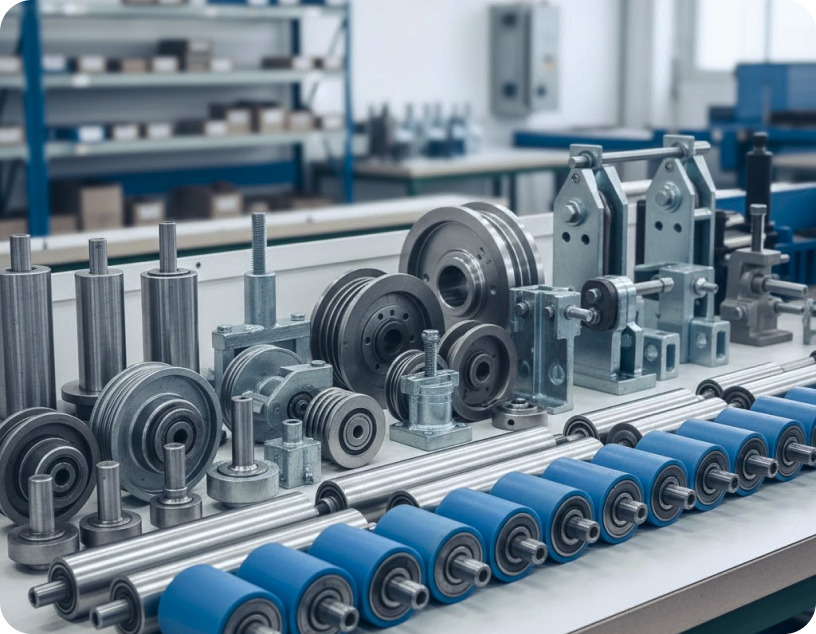
We've been sourcing conveyor components from United Global Engineering Solutions for quite some time now. Their conveyor belt accessories, including industrial conveyor rollers and pulleys, have consistently met our quality and performance standards. We highly recommend them for all your conveyor system needs.
Sean MatthewsThe Repeat Client 
We worked with United Global Engineering Solutions for our conveyor needs, and the experience was excellent from start to finish. Their team understood our requirements quickly, recommended the right conveyor solution for our operations, and delivered quality industrial conveyor belts that made a real difference. Since the installation, our workflow has improved and day-to-day operations feel much more efficient. We’re grateful for their support and would gladly recommend them.
Travis BennettThe Satisfied Customer 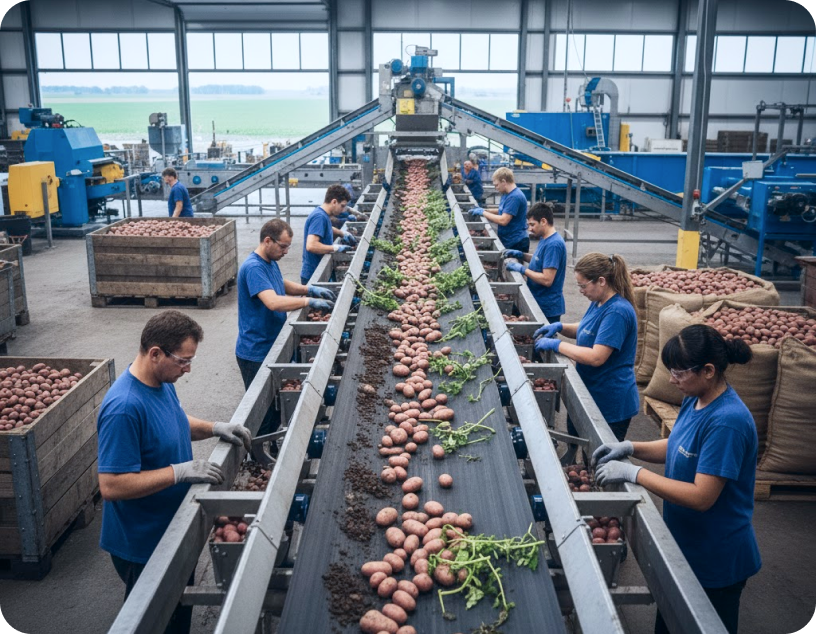
We’ve worked with United Global on multiple projects, and their conveyor belts for food processing have made a real difference. What stands out most is their ability to customize solutions to our needs and deliver quality products on time. Their prompt service and cost-effective approach have made them a partner we can count on.
Gary StevensThe Valued Partner 
We’ve worked with United Global Engineering Solutions on multiple projects, and they’ve consistently delivered. Their conveyor belts for food processing have made a real difference for us, and we’ve appreciated how they tailor solutions to our specific needs. The team is responsive, the service is prompt, and the solutions are cost-effective without sacrificing quality.
Brandon HayesThe Satisfied Manufacturer
- Industries Served
- 15+
- Years of Experience
- 10+
- Systems Installed
- 500+
- Happy Clients
- 600+
Solve Rotary Airlock Valve Air Leakage with UGES
Our experts visit your site, understand your workflow, and recommend the exact configuration your system needs.