Our Blogs

Blog Media
icon
Bulk Material Handling

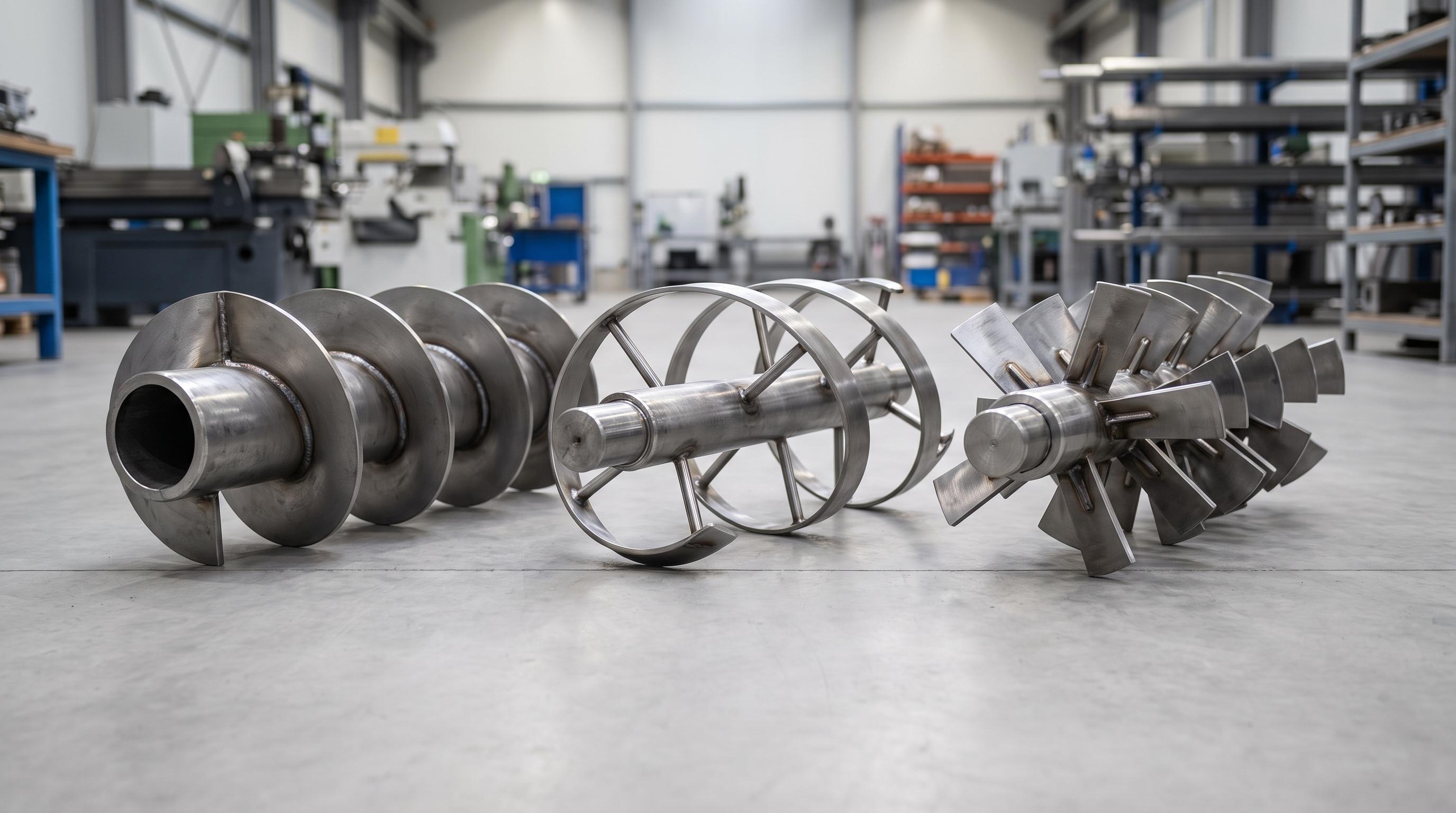
Screw Conveyor vs Pneumatic Conveyor: How to Choose the Right One

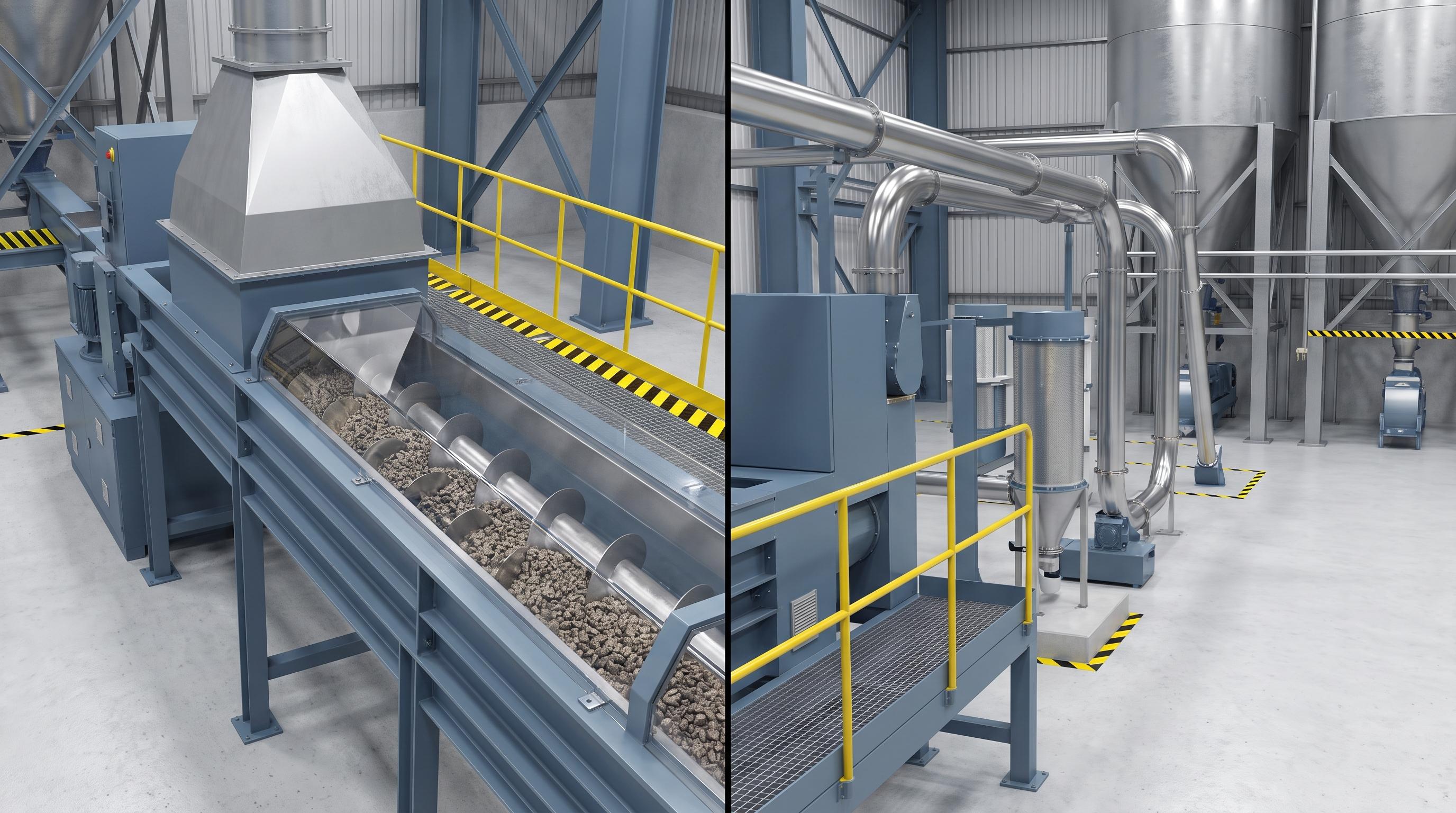
A screw conveyor suits short, enclosed runs of heavy, wet, or abrasive material, while pneumatic conveying suits dry powder that must travel far, change elevation, or feed several points. This guide compares them on material, route, throughput, energy, wear, and dust, then shows how to choose in the right order.
VB
Vijay Baid
11 min read
Blog Media
icon
Conveyors

Conveyor Idler Types: Carrying vs Return vs Impact

Carrying, return, and impact idlers do three different jobs on a belt conveyor, chosen by position and duty. This guide covers what each type does, where it sits, and how to match the type, CEMA class, and spacing to the belt and material.
VB
Vijay Baid
10 min read
Blog Media
icon
Bulk Material Handling

Screw Conveyor Flight Types and How to Match Them to Your Material

The flight is the helical blade that moves material along a screw conveyor, and its geometry is set by how the material behaves. This guide covers the flight and pitch types and how to match standard, cut, ribbon, and paddle flighting to sticky, abrasive, lumpy, or free-flowing material.
VB
Vijay Baid
10 min read
Blog Media
icon
Material Handling

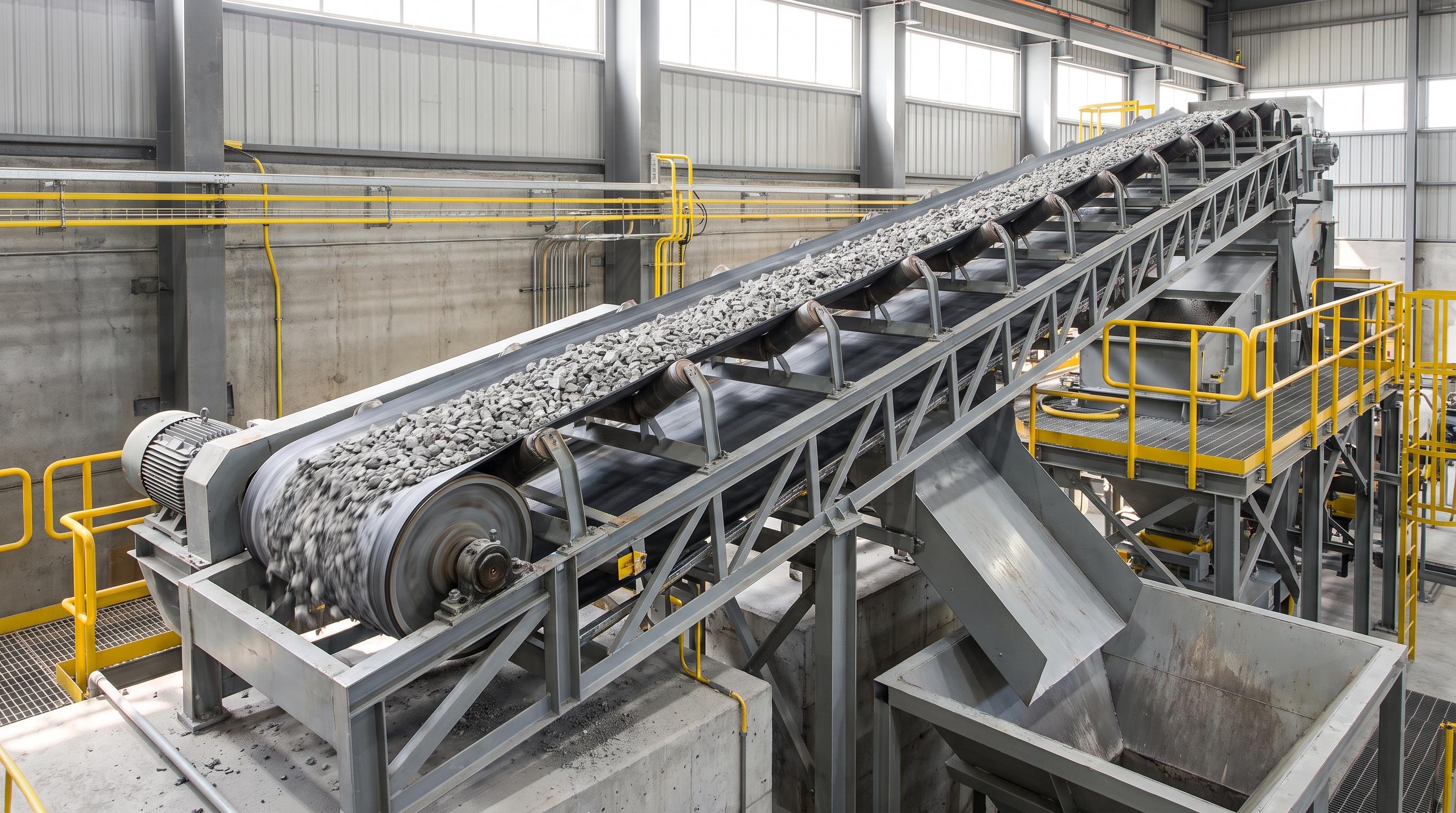
What Is a Belt Conveyor? Parts, Types, and How It Works

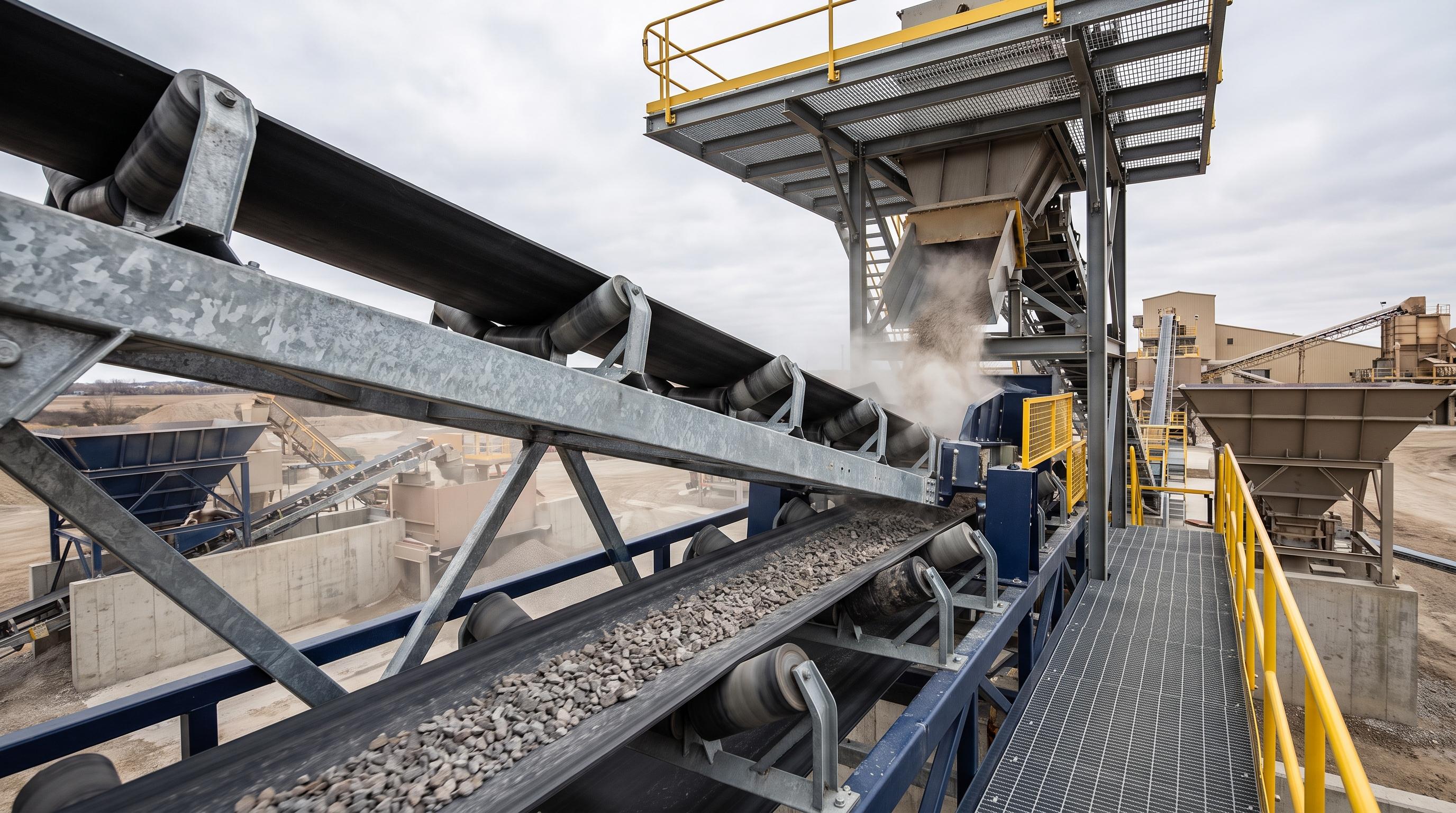
A belt conveyor moves bulk material on a continuous powered belt looped around pulleys. This guide covers what it is, how it works, its parts and types, and what engineers evaluate when specifying one for a given material, capacity, and path.
VB
Vijay Baid
12 min read
Blog Media
icon
Bulk Material Handling

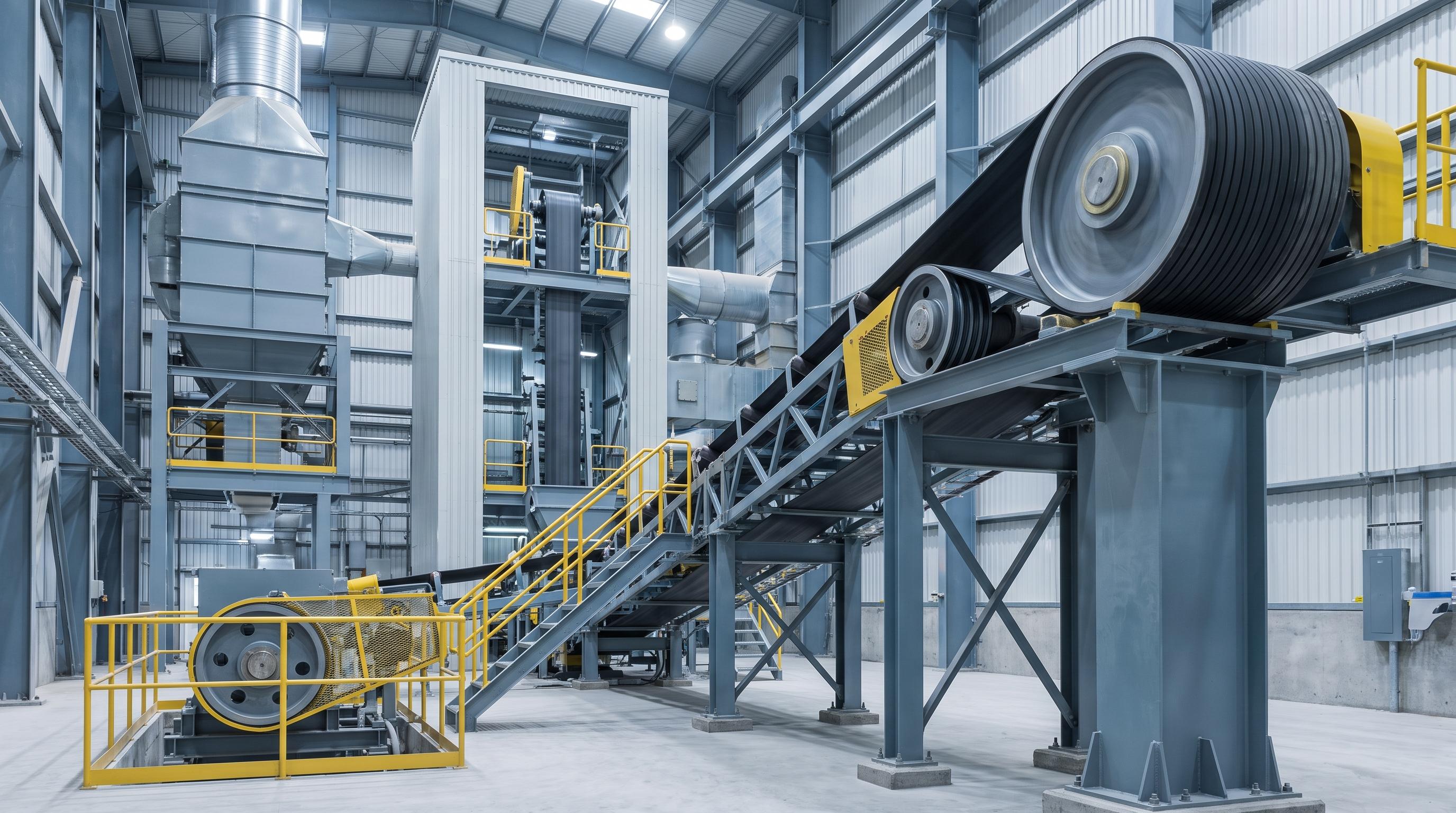
Conveyor Pulley Types: Head, Tail, Snub, Bend, and Take-Up

A conveyor runs on several pulleys, and each does a different job. The drive moves the belt, the tail turns it around, the snub adds traction, the bend changes direction, and the take-up holds tension. Here is what separates them and how the sizes are set.
VB
Vijay Baid
14 min read
Blog Media
icon
Bulk Material Handling

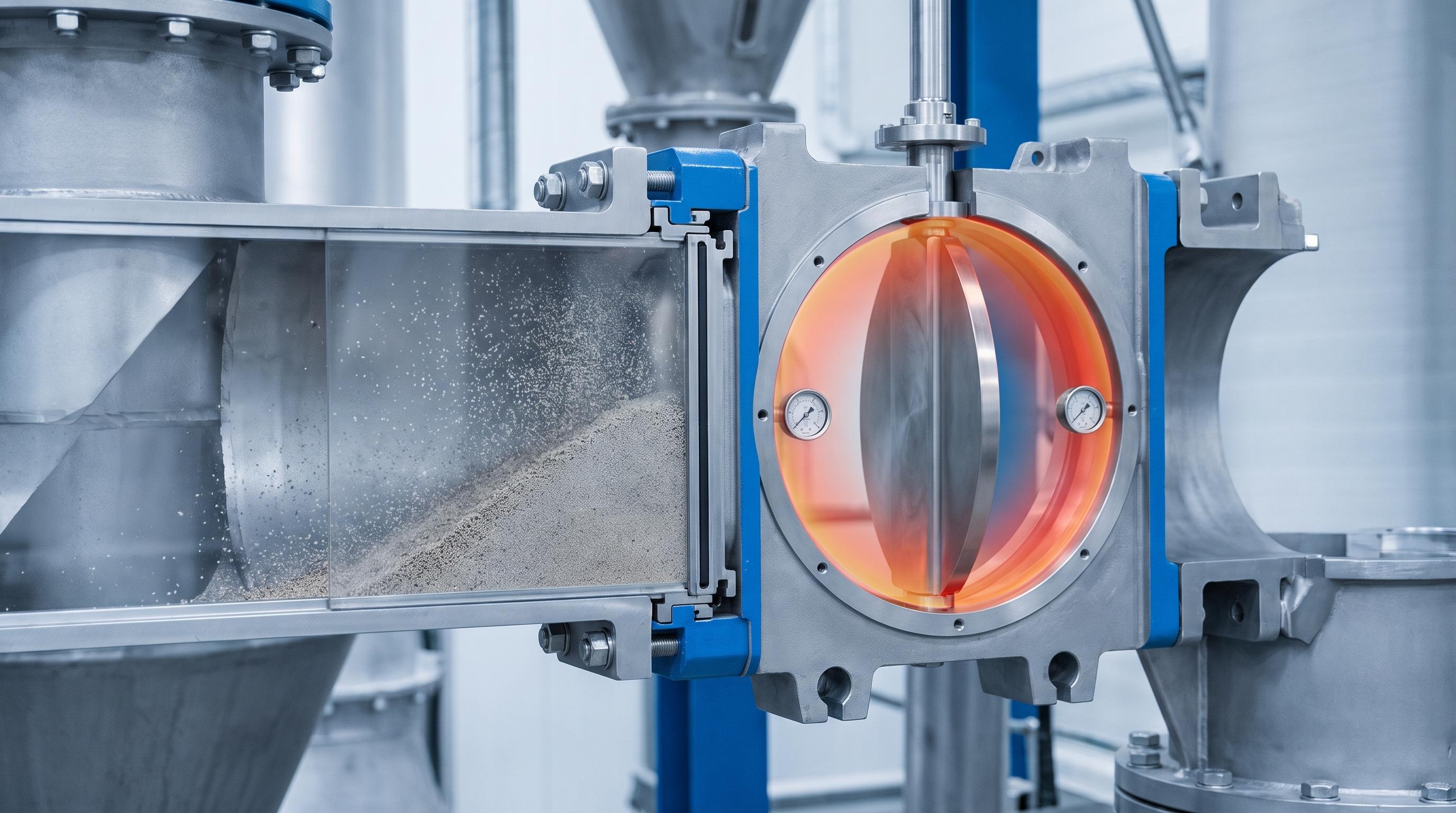
Dust-Tight vs Gas-Tight: How to Specify Valves and Gates

A dust-tight seal stops solid particulate. A gas-tight seal holds a gas or pressure boundary. ANSI/FCI 70-2 puts numbers on the gap, and the seat you choose decides which one you get. Here is how to specify the class your duty needs instead of asking for tight shut-off.
VB
Vijay Baid
11 min read
1/3
UGESL LOGO

Delivering advanced conveyor solutions from Houston across the U.S.


iconiconicon

Helpful Resources

About Us

Products

Services

Industries

Our Product Line

Conveyor Idlers

Conveyor Pulleys

Rotary Air Lock Valves

Screw Conveyors

Diverter Valve

Slide Gate

Transfer Chutes

Belt Conveyor System

Air Slide Assembly

Rotary Shut Off Gate

Flow Control Gate

Butterfly & Knife Gate

Dampers

Dip Tubes

Write us at:

icon

 info@ugesl.com

Copyright ©2026 United Global Engineering Solutions Pvt.Ltd. All Rights Reserved

Conveyor Belt Manufacturing Website by The Internet Folks

UGESL LOGO
About
Services